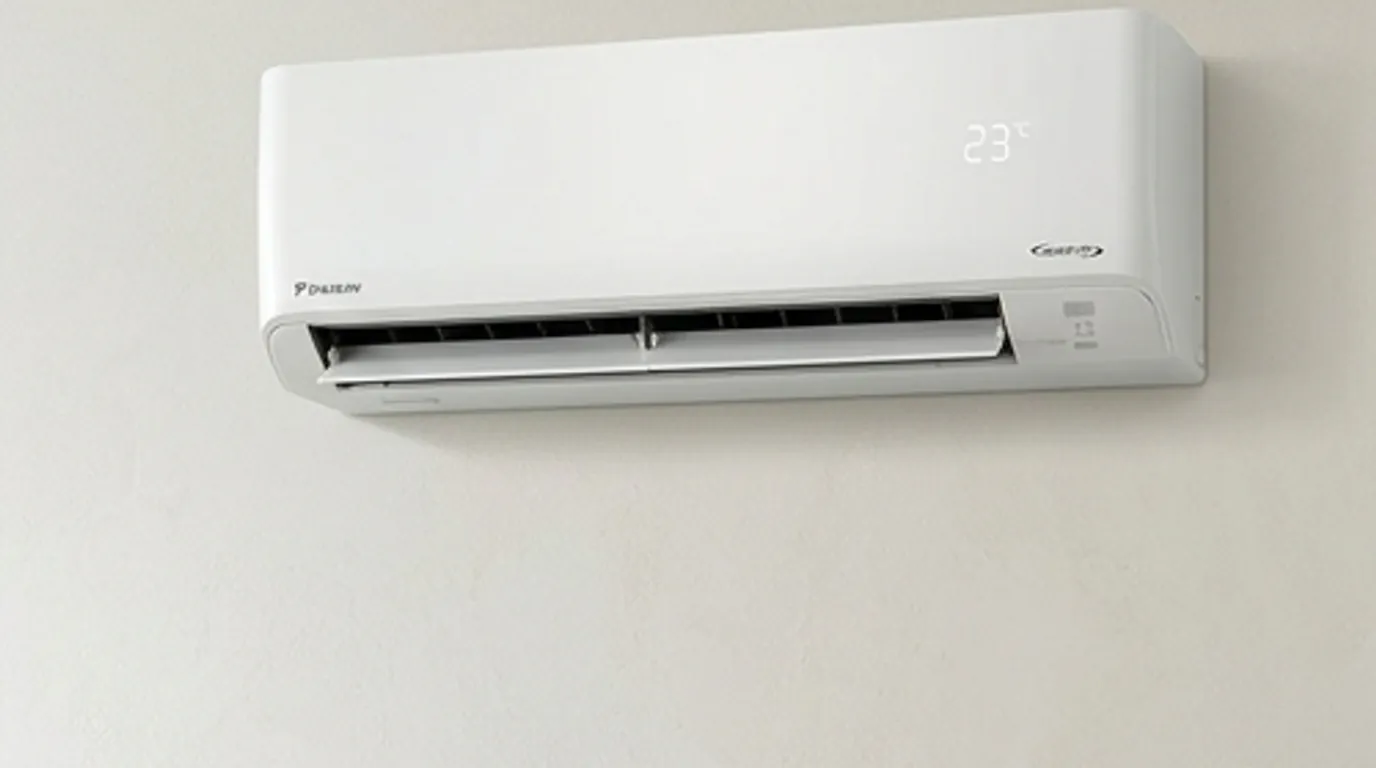
Ductless systems rely on complex inverter electronics and microprocessors that require specialized diagnostic instruments. When an indoor head stops blowing conditioned air, flashes error codes on the LED panel, or makes clicking noises, technicians test the communication loop across terminals S1, S2, and S3, verify DC voltage outputs from the main control board, and check resistance across temperature thermistors. Faulty electronic expansion valves (EEVs), blown surge varistors, and failed cross-flow blower bearings receive precise component-level replacements to restore quiet, efficient climate control.
Standard Diagnostic & Service Procedures
Microprocessor & Inverter Board Diagnostics: Multimeter and oscilloscope testing of DC bus voltages, IPM power modules, and PCB communication loops.
Electronic Expansion Valve (EEV) Testing: Stepper motor resistance checks and mechanical needle unsticking to restore proper refrigerant metering.
Indoor Blower Fan Assembly Repairs: Cross-flow wheel balancing, nylon sleeve bearing replacement, and DC motor driver circuit troubleshooting.
Precision Sensor Calibration: Testing return air, coil surface, and outdoor ambient thermistors against factory temperature-resistance curves.
Need Urgent Help With Your Mini Split?
Our technical dispatch desk evaluates symptoms over the phone to arrange fast field diagnostics for any equipment brand.
Frequently Asked Questions About Mini Split Repair & Diagnostics
Flashing LED patterns or alphanumeric codes like E1, E6, or F3 signify safety lockouts. Common causes include communication signal loss between indoor and outdoor boards, a locked fan motor, or an open thermistor sensor. Technicians decode the pattern to isolate the defective component.
Rattling usually points to a cracked cross-flow blower wheel, worn sleeve bearings, or foreign debris lodged in the housing. Clicking can also stem from relays attempting to close on the control board or plastic casing flexing during temperature swings.
Technicians measure fluctuating DC voltage between terminal S2 (neutral) and terminal S3 (signal). A steady zero volts or erratic reading indicates a broken signal wire, electromagnetic interference from unshielded lines, or a damaged serial communication chip.
On older single-phase AC fan motors, a weak or bulged capacitor prevents the motor from starting. Modern units utilize brushless DC (BLDC) fan motors driven directly by the inverter board; in those systems, failed driver transistors are the primary cause.
Inverter units naturally run at low speeds for extended periods to maintain steady temperatures. However, if the room never reaches the setpoint, causes include low refrigerant from a flare leak, a severely matted outdoor coil, or an undersized unit struggling with solar heat gain.
A stuck EEV either starves the indoor coil of refrigerant (causing poor cooling and coil freeze-ups) or floods it with liquid refrigerant (risking compressor damage). Technicians test the magnetic stepper coil and pulse the valve to restore movement.
Technicians submerge the sensor tip in an ice bath or measure ambient air temperature, then test resistance with a digital multimeter. Comparing the ohms reading against the manufacturer's temperature-resistance chart reveals sensor drift.
If the compressor and coils are in healthy physical condition, swapping a control board or surge varistor is far more economical than full system replacement. Technicians inspect compressor winding resistance to ensure the board failure did not stem from an internal motor short.
Schedule Mini Split Repair & Diagnostics
Speak directly with our technical dispatch desk. We will evaluate your equipment symptoms and arrange prompt local service.