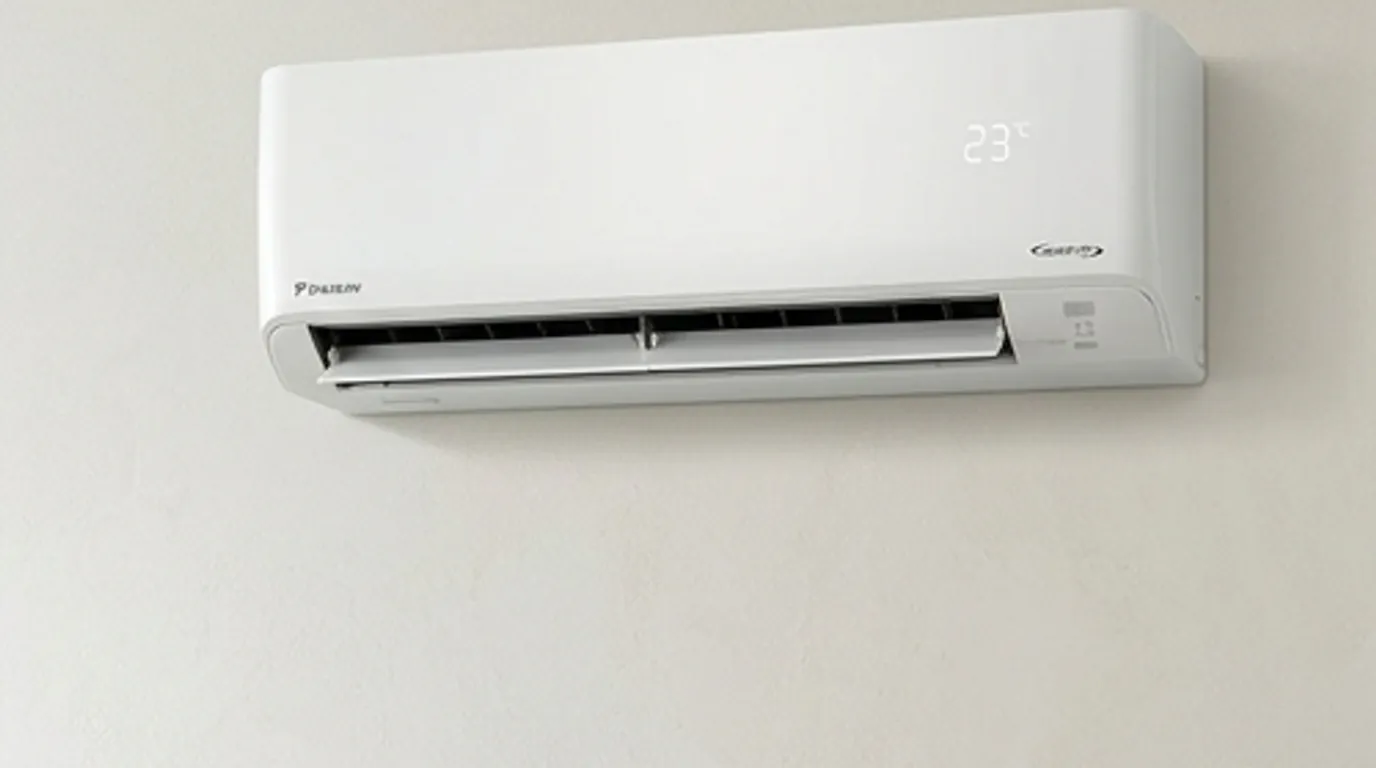
Connecting three, four, or five indoor air handlers to a single variable-capacity outdoor heat pump requires precise refrigerant distribution and communication matching. When one room overheats while an adjoining bedroom freezes, technicians test individual electronic expansion valve stepper motors, verify branch box circuit board signals, and check line set lengths against maximum piping allowances. Proper zoning calibration balances heating and cooling distribution across multi-story layouts, sunrooms, master suites, and residential additions.
Standard Diagnostic & Service Procedures
Branch Box & Port Valve Diagnostics: Verifying circuit board logic, electronic expansion valve pulsing, and temperature thermistor readings per zone.
Multi-Head Temperature Balancing: Calibrating airflow speeds, resolving uneven room temperatures, and eliminating refrigerant starvation.
Communication Signal Synchronization: Troubleshooting multi-drop 14/4 wiring networks and addressing indoor head DIP switch configurations.
Smart Thermostat & Central Controller Integration: Connecting BACnet interfaces, Wi-Fi adapters, and centralized master control panels.
Need Urgent Help With Your Mini Split?
Our technical dispatch desk evaluates symptoms over the phone to arrange fast field diagnostics for any equipment brand.
Frequently Asked Questions About Multi-Zone Mini Split System Solutions
Standard residential multi-zone heat pumps operate in either heating mode or cooling mode across all heads simultaneously. The system cannot heat one room while cooling another unless it is a specialized commercial heat-recovery system with branch selector boxes.
This issue commonly stems from a seized electronic expansion valve (EEV) stepper motor on the outdoor unit or branch box, an incorrectly addressed communication wire, or an uncalibrated indoor temperature thermistor.
A branch box is an intermediate distribution manifold used on larger multi-zone systems (typically four to eight heads). It houses individual electronic expansion valves and circuit boards, centralizing refrigerant control away from living spaces.
Indoor heads continuously transmit room temperature, coil temperature, and setpoint data to the outdoor master controller via 14/4 signal wires. The inverter processor calculates total load and modulates compressor speed to match exact demand.
Only if the outdoor unit was originally installed with unused service ports and sufficient reserve BTU capacity. If all ports are occupied or the total indoor head capacity reaches maximum compressor limits, an additional condenser is required.
Mini split systems allow slight diversity oversizing (often up to 130% connected capacity) because all rooms rarely peak simultaneously. However, if all heads call for full cooling at once, the condenser proportionally dials back output to each head.
Technicians disconnect signal lines, test DC voltage drops on each run, check for crossed wiring between zone terminals (such as line 1 wired to head A but communication wired to head B), and inspect DIP switch addressing.
Each ductless head samples air temperature directly in its specific room, allowing independent climate scheduling. A single central thermostat cannot account for localized heat gains from sunrooms, home offices, or second-story bedrooms.
Schedule Multi-Zone Mini Split System Solutions
Speak directly with our technical dispatch desk. We will evaluate your equipment symptoms and arrange prompt local service.
Get Prompt Diagnostic Help For Your Multi-Zone Mini Split System Solutions
Call our technical team for an upfront estimate on multi-zone mini split system solutions. We troubleshoot all major ductless heat pump and AC manufacturers.